
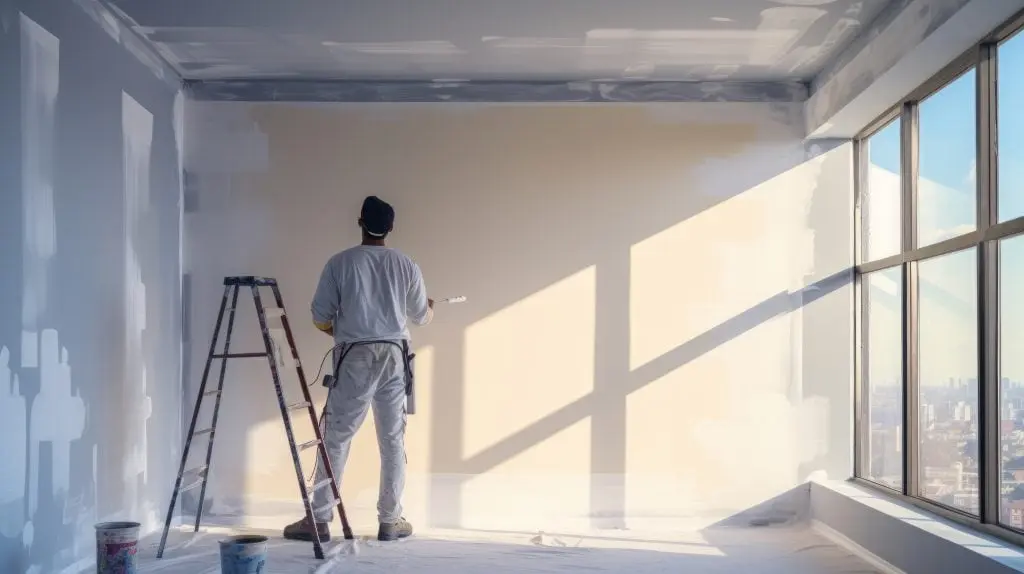
Repainting walls breathe new life into your home, but knowing the right time for a fresh coat is key to ensuring the paint’s longevity and enhancing your space’s beauty.
Many factors, from daily life’s wear and tear to the shifting moods of the seasons, play pivotal roles in deciding when that brush should hit the wall.
Understanding these elements can mean distinguishing between a painting project that uplifts your space and flatlines.
This article will dissect these factors and offer a comprehensive guide to the optimal timing for wall repainting, ensuring your project meets and exceeds expectations.
Keep reading to uncover the secrets to timing your next painting adventure perfectly.
Signs It’s Time to Repaint Your Walls
Recognizing the right time to refresh the walls around you can be complicated.
Yet, unmistakable signs can signal that your space pleads for a new coat of paint.
Two of the most prevalent indicators include fading paint colors, a common consequence of sunlight exposure, and the presence of peeling or bubbling paint, which often points to underlying moisture issues. When considering residential painting, it is essential to consider these signs of potential problems.
In this section, we’ll explore these signs in greater detail, offering insight into why they appear and how to address them for a long-lasting, vibrant finish.
Fading Paint Colors and How Sunlight Affects Them
One of the earliest signs that it’s time to consider interior painting is noticing fading paint colors. This typically stems from prolonged exposure to sunlight, which can break down the pigments in the paint, leading to a washed-out appearance. Over time, what was once a vibrant color can become dull and lifeless, signaling that a new coat of paint could bring back the life and energy your space once had.
- Recognized fading paint colors as a prompt for action.
- Understood the cause: sunlight’s relentless effect on pigments.
- Realized the potential of a fresh paint job to rejuvenate a room.
Peeling or Bubbling Paint and Moisture Concerns
Discovering peeling or bubbling paint on your walls can be unsettling, unmasking the silent chaperone of moisture lurking beneath. These blemishes often arise when water infiltrates the wall, leading to paint losing its grip and signaling a more profound issue beyond aesthetics. Addressing the root cause of moisture is paramount before wielding the interior painting brush again, ensuring the longevity of your next painting venture.
- Identified the culprits: peeling or bubbling paint.
- Acknowledged the hidden problem: unwelcome moisture.
- Emphasized the necessity of resolving underlying issues before repainting.
Choosing the Right Season for Wall Repainting
Deciding when to embark on a wall repainting project isn’t just about picking a date that fits your schedule; it’s about aligning with the weather for optimal results.
The significance of dry weather conditions can’t be overstated, as they play a pivotal role in the success of a paint job.
Moisture in the air is challenging, affecting how paint adheres to surfaces and dries.
Furthermore, temperature is another crucial factor influencing the finishing’s drying times and overall quality.
By understanding these elements, homeowners can ensure that their walls look stunning and that their paint’s longevity is maximized.
Benefits of Painting in Dry Weather Conditions
Embarking on a residential wall repainting project during dry weather offers unparalleled advantages that guarantee the seamless execution and enduring results of your endeavor. Dry conditions enable paint to adhere more effectively to surfaces, mitigating the risk of blisters and ensuring a flawless finish. Moreover, the absence of moisture in the air accelerates drying times, allowing you to relish the transformation of your space without undue delays.
Understanding Temperature’s Impact on Paint Drying Times
Delving into the nuances of temperature’s influence on interior painting drying times, I’ve grasped its critical importance in planning a residential painting project. Too often underestimated, the temperature can drastically alter the drying process, where warmer conditions expedite it, and cooler air prolongs it, affecting the outcome’s durability and appearance. This understanding guides me to choose painting days that ensure both efficiency in the project’s completion and excellence in the walls’ final look.
How Often Should You Repaint Different Room Types?
Stepping into the realm of maintaining the integrity of your walls, it’s essential to understand that not all rooms in your home wear their paint equally.
My experience has shown me that deciphering the optimal timing for repainting hinges significantly on the room’s function and foot traffic.
For instance, high-traffic areas bear the brunt of daily life, revealing wear and tear much quicker than lesser-used spaces.
Meanwhile, rooms like the kitchen and bathroom present a unique challenge, where humidity reigns supreme, potentially compromising the paint’s lifespan.
These considerations are vital in crafting a repainting schedule that meets your living spaces’ aesthetic and practical needs.
High Traffic Areas Versus Rarely Used Spaces
The disparity between high-traffic areas and spaces seldom used is pronounced when considering the frequency of repainting.
- Due to constant use, high-traffic areas, such as hallways, living rooms, and kitchens, endure harsher conditions. Subsequently, they demand more frequent touch-ups or complete repaints to maintain their appearance and integrity.
- Conversely, rarely used spaces like guest rooms or formal dining areas experience far less wear and tear, allowing their painted surfaces to retain quality and vibrancy for longer periods without frequent repainting.
Kitchen and Bathroom Considerations Due to Humidity
In my professional journey through countless home improvement projects, I have observed that kitchens and bathrooms are unique beasts in the residential painting arena, primarily due to humidity. This ever-present moisture factor demands that these areas receive special attention and a tailored approach: using high-quality paints designed to withstand such environments and conducting more frequent inspections for potential damage. It’s a realization from seeing how the steam from showers and cooking can infiltrate walls, causing more than skin-deep damage.
- Recognized kitchens and bathrooms as exceptional cases in repainting projects due to constant humidity.
- Identified the use of specialized, high-quality paints as a solution geared toward these moist environments.
- Understood the necessity of more frequent inspections in these areas to prevent long-term damage.
Prepping Your Space for Painting Success
Stepping into the realm of repainting requires more than choosing the right color; it mandates meticulous preparation to ensure your walls’ enduring beauty and resilience.
A fundamental step often overlooked is cleaning walls properly before the brush touches the surface.
Years of unnoticed grime and dust can sabotage your paint’s ability to adhere, leading to lackluster results.
Equally critical is the application of a high-quality primer.
This initial coat is not just an added expense—it’s an investment into the longevity and vibrancy of your paint job.
Addressing these crucial steps primes your space for a painting success story, setting the stage for transformative results that stand the test of time.
Cleaning Walls Properly Before Applying New Paint
Embarking on a meticulous residential painting regimen before picking up the paintbrush is critical for a flawless finish. Dust, dirt, and oils accumulated over the years create a barrier between the wall and the new paint, making adhesion difficult and potentially marring the appearance of your freshly painted walls. A thorough wash, therefore, not only preps the surface for painting but ensures the longevity and vibrancy of your color choices, setting the stage for a standout transformation.
The Importance of Primer for Long-Lasting Results
The cornerstone of any long-lasting residential painting job is applying a quality primer before the paint coats go on. This preparatory step ensures that the paint adheres better to the surface, providing a smooth, even canvas that enhances the paint’s performance and elevates its durability and vibrancy over time. Moreover, primer is a critical barrier that blocks stains, prevents moisture, and mitigates the risk of peeling or bubbling, securing the investment in your space’s aesthetic appeal and structural integrity.
- Acknowledged primer as essential for enhancing paint adhesion and creating a uniform surface.
- Emphasized the role of primer in improving paint durability and vibrancy.
- Highlighted the importance of primer in protecting against stains, moisture, and potential peeling.
The Best Time of Day to Start Your Painting Project
Embarking on a painting project fills me with excitement and strategy, especially when considering the best time to wield the interior painting brush. From years of experience, I’ve learned that early morning offers the ideal conditions. The air is more relaxed and allows the paint to dry evenly, avoiding the midday heat that client testimonials can make the paint dry too quickly, leading to uneven coats.
Another crucial aspect is the natural light available throughout the day for interior painting. I strongly advocate starting your residential painting endeavor in the morning to maximize the daylight. This not only helps achieve a more accurate color representation on the walls but also reduces the reliance on artificial lighting, which can distort the true hues of the paint.
Finally, my scheduling goal is to wrap up the residential painting tasks before late afternoon. This ensures that the freshly painted surfaces have ample time to start drying in the cooler evening air, which is less likely to introduce dust and insects to the wet paint. These small yet significant timing decisions contribute to a flawless finish and prolonged durability of your wall repainting projects.
Navigating Through Seasons – Optimal Months Revealed
Choosing the right time of year to repaint your walls is as much about your climate as your schedule. Optimal painting conditions typically require dry, mild weather: too much humidity can affect how the paint dries, while extreme heat or cold can compromise the paint’s adherence and finish. That’s why, after years in the painting industry, I’ve come to value the transitional periods of spring and fall as the golden windows for interior and residential projects. exterior painting projects.
These seasons’ mild temperatures and lower humidity levels allow the paint to cure correctly, yielding a durable and visually pleasing result. This logic extends across the board, whether you’re considering a fresh coat for your living room interior painting or the entire exterior of your home residential painting. Moreover, these seasons usually feature more predictable weather patterns, reducing the likelihood of rain washing away your hard work:
- Spring offers a rebirth for your home, making it an ideal time to rejuvenate its walls.
- Fall’s stable temperatures provide perfect conditions for paint to dry evenly.
- Avoiding the unpredictable weather of summer and the harsh cold of winter ensures that your painting project will not face environmental setbacks.
While these guidelines serve most homeowners well, I always remind clients to consider their specific local climate. For instance, those living in areas with a desert climate, like Arizona, might find that their interior painting calendar shifts slightly to accommodate even warmer temperatures in the spring or fall. On the flip side, residents of wetter regions may need to be more vigilant about checking the forecast and planning around the dry days. Ultimately, understanding and working within the rhythm of the seasons in your locale will set your painting project up for success.
Conclusion
The “Optimal Timing for Wall Repainting: A Complete Guide” emphasizes the crucial role timing plays in achieving successful, durable, and visually appealing paint jobs.
The guide highlights key signs like fading colors and peeling paint, emphasizing the need to address these issues promptly and understand their underlying causes.
It further details the importance of choosing the right season and time of day, advocating for dry weather conditions and more excellent morning hours to ensure the paint adheres appropriately and dries evenly.
Preparatory steps such as thorough cleaning and applying quality primer are essential for long-lasting results.
The guide also outlines the variance in repainting schedules needed for different room types, underlining the challenges of high-humidity areas like kitchens and bathrooms.
By adhering to the insights on optimal timing, homeowners can ensure their repainting projects not only enhance the aesthetics of their spaces but also contribute to the longevity and integrity of their walls.