
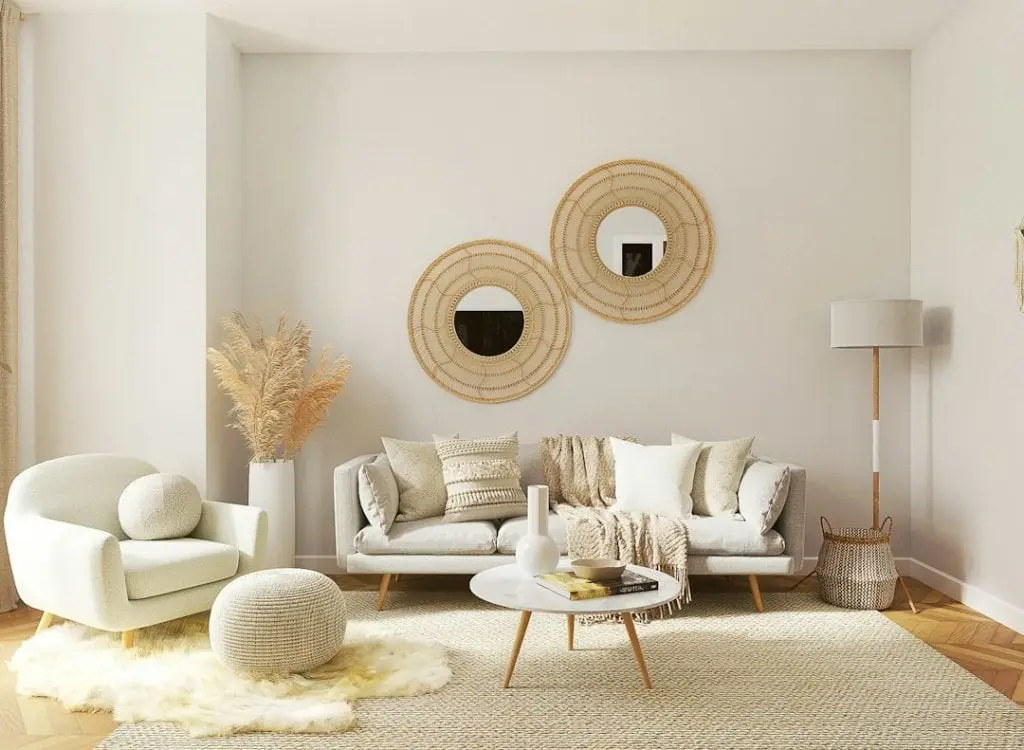
Imagine the thrill of stepping into a room freshly painted, its walls radiating vibrancy and newness. That’s the power of a good paint job – it can completely transform your living space! But how often should you be embarking on this rejuvenation journey? How often to paint the house interior? Now there’s a question that seems straightforward but has layers deeper than just aesthetics.
Whether you’re grappling with crayon-adorned bedroom walls thanks to your young kids or trying to combat mold creeping onto your bathroom ceiling, understanding when to repaint can be crucial for maintaining an appealing home and one free from potential hazards like moisture damage.
Awesome, you’re still here! That’s great because this is where you’ll discover insights from painting pros. They’ll clue you in on everything – like when high-traffic spaces such as dining rooms need a fresh coat of paint.
Table Of Contents:
- Understanding the Importance of Regular Interior Painting
- Factors that Determine the Frequency of Interior Painting
- Recommended Maintenance Interval for Different Rooms
- Factors That Impact The Painting Timeline
- Factors that Affect the Longevity of Interior Paint
- How to Extend the Lifespan of Your Interior Paint
- FAQs in Relation to How Often to Paint House Interior
Understanding the Importance of Regular Interior Painting
The frequency of interior painting greatly depends on various factors, including your lifestyle and room usage. But one thing is clear: regularly giving your house a fresh coat has undeniable benefits.
Aesthetic appeal isn’t just about impressing guests; it’s also for you. Imagine stepping into rooms with vibrant colors reflecting your personality and mood—like living in an art piece. You don’t need to be a professional painter or use fancy paint jobs to achieve this. Simple yet well-done wall paint can do wonders.
All Seasons Insulation agrees that regular repainting keeps homes looking their best while adding layers of protection against wear and tear—think dings from young kids or pet scratches.
Maintaining Your Home’s Integrity
Beyond aesthetics, did you know how vital interior painting is in preserving your home? A good time to repaint would be when the previous layer starts peeling off—a telltale sign of underlying issues such as mold damage caused by sustained water exposure.
Even if these problems aren’t present yet, maintaining a schedule for painting services helps keep them at bay. Remember our mantra here at Matt The Painter: Prevention is better than cure.
Safeguarding Health And Wellness
If there’s something we prioritize more than keeping houses pretty here at Matt The Painter, it’s ensuring they’re safe havens too. Paint acts as an additional barrier against moisture buildup, which could lead to health-hazardous molds over time.
Freshening Up Living Spaces
Last but not least, let’s talk about freshness—or rather the lack thereof—in older coats where odors may have absorbed over time. You may not notice it, but guests might. So why take chances?
With our expert painting services, you can ensure that your living spaces are as fresh-smelling as they are good-looking.
The Lifespan of Interior Paint Jobs
However, it is important to maintain the paint job by inspecting it regularly and making minor repairs as needed. Regular check-ups and minor touch-ups help keep the paint looking fresh for longer. Make sure to always look out for any signs of peeling or chipping.
Key Takeaway:
Regularly painting your home’s interior is about more than aesthetics—it’s a reflection of you, an art piece to live in. But it also protects against wear and tear, maintains the integrity of your house by preventing mold damage, and freshens up living spaces by eliminating absorbed odors. Keep in mind, though, that maintaining paint requires regular check-ups and touch-ups.
Factors that Determine the Frequency of Interior Painting
The frequency at which you must repaint your home’s interior can greatly vary depending on key factors. Room usage and exposure to elements like moisture or sunlight play crucial roles in this.
High-Traffic Areas and Their Impact on Paint Lifespan
If your home has high-traffic areas, these spaces will typically show signs of wear more quickly. This is because foot traffic often leads to scuff marks, which degrade the paint quality over time.
You might notice this most along baseboards where Woodiwiss painting frequently sees wear due to its proximity to shoes and furniture. Living rooms tend to be such areas as they are commonly used for socializing and relaxation activities. All Seasons Insulation states that living rooms should be repainted every five years but it may even need a fresh coat sooner if you have young kids or pets.
The Role of Room Usage in Determining Repainting Frequency
Certain rooms in your house are subjected to heavy use and specific types of use that affect how long the paint lasts. For example, kitchens often deal with grease splatters while bathrooms face constant humidity – both scenarios potentially lead to quicker degradation of wall paint.
Kitchen walls especially suffer from extreme temperature changes; hot steam from cooking collides with cold tiles causing condensation, which slowly erodes layers of paint, making them duller faster than other room paints would become. Hence, many experts recommend re-painting the kitchen every 4-5 years.
In addition, certain parts within these rooms bear more damage compared to others – behind stove ovens, there tends to accumulate oils and smoke residue affecting surface integrity, thus requiring frequent touch-ups and maintenance efforts.
So, the key takeaway here is that paint longevity doesn’t just depend on the quality of your initial prep work or how carefully you treat your home’s interior. It’s also about understanding how these factors interact in different rooms.
Key Takeaway:
When deciding how often to freshen up your home’s paint job, consider each room’s usage and the challenges it faces. High-traffic areas might need more frequent attention due to scuffs and marks. Factors such as grease splatters or humidity can wear down the paint faster in rooms like kitchens and bathrooms. So remember, there’s no one-size-fits-all answer – repainting timelines will differ based on these unique circumstances.
If your interior walls are looking grimy and dirty, it’s a clear sign that they need repainting. Over time, dust and dirt particles can accumulate on the walls, making them appear lackluster and uninviting. A fresh coat of paint can instantly rejuvenate the space and give it a clean and polished look.
Regular maintenance is key to keeping your interior walls looking fresh and vibrant. While there is no set timeframe for repainting, it’s generally recommended to repaint every 5-7 years to maintain the overall appearance of your home. However, certain factors can influence the timing, such as the quality of the previous paint job, the amount of wear and tear the walls have endured, and the level of maintenance and cleaning they have received.
When it comes to repainting, proper preparation is essential. Make sure to clean the walls thoroughly, removing any dirt, grease, or stains. Mend any splits or gaps in the walls and put on a top-notch base coat before painting to guarantee an even and durable finish.
Additionally, different areas of your home may require more frequent repainting. For example, high-traffic areas like hallways and entryways are more prone to scuffs and marks and may need to be repainted more often. Hallways and entryways, which are high-traffic areas prone to scuffs and marks, may need more frequent repainting than other areas of the home; in contrast, bathrooms should be painted every 3-4 years due to their exposure to moisture.
By paying attention to the signs and maintaining a regular painting schedule, you can keep your interior walls looking fresh and beautiful for years to come.
Recommended Maintenance Interval for Different Rooms
Each room in your house has unique painting needs, influenced by usage and the type of activities. Let’s explore how often you should repaint various rooms.
How Often Should You Repaint Your Living Room and Dining Room?
As a family gathering place, the living room experiences significant use daily. Likewise, dining rooms see heavy use as they host meals from breakfast to dinner.
The wear and tear from daily activities like these can impact paint longevity – scuff marks from furniture movement or stains from food spills may call for fresh coats sooner than expected.
In general, All Seasons Insulation suggests giving your living room and dining area a new coat every 5-7 years. This frequency ensures that your walls remain vibrant while protecting them against damage.
The Lifespan of Bedroom Paint Jobs
A bedroom might not experience the same level of activity as a kitchen or bathroom; however, it still requires attention when it comes to painting intervals. A master bedroom typically holds up well with good quality paint lasting up to ten years before requiring another round of wall paint refreshment.
But if you have young kids’ bedrooms in the mix, things change significantly due to artistic scribbles or adventurous wall-climbing sessions.
Such antics can greatly shorten the lifespan of even high-quality interior paints leading us back into those fun-filled rooms with brushes loaded every 3-5 years. So parents, be prepared – having little ones might just mean more frequent encounters with color swatches.
Factors That Impact The Painting Timeline
Keep in mind that these are general guidelines, and the actual time frame can vary depending on factors like paint quality, prep work before painting, and room usage. For example, a guest room might need less frequent repainting compared to your kid’s bedroom or kitchen walls.
If you notice signs like peeling or fading paint, it’s a clear indication that your home might need some touch-ups. Addressing these issues promptly is crucial to keep your living space looking its best.
Key Takeaway:
Each room in your home has unique painting needs. Living and dining rooms often need a fresh coat every 5-7 years, while master bedrooms can go up to ten with high-quality paint. But kids’ rooms might need attention more frequently – think every 3-5 years. Remember, this all depends on factors like paint quality and room usage. If you’re considering repainting any of these spaces, keep these timeframes in mind for the best results.
Factors that Affect the Longevity of Interior Paint
Your interior paint’s lifespan can greatly vary depending on a couple of key factors. The initial prep work and the quality of paint you use are two significant ones.
The Impact of Initial Prep Work on Paint Longevity
A good painting job starts with thorough preparation. It’s like laying a solid foundation for your house; everything else may crumble without it. When it comes to painting, proper drywall prep is crucial in extending the life of your interior paint job.
The drywall must be clean, smooth, and primed before you start slapping color onto it. This process includes patching any holes or cracks, sanding rough areas, and applying a high-quality primer. All Seasons Insulation offers some helpful insights into this process.
Choosing High-Quality Paint for Durability and Longevity
As the adage goes, “you get what you pay for,” and this certainly holds when considering paints; premium products offer superior washability, durability, and longevity compared to cheaper alternatives. Well, when talking about paints, truer words have never been spoken. High-end paint products offer more than just an impressive array of colors; they also provide higher washability, durability, and longevity compared to cheaper alternatives.
Premium paints resist scuffs better (ideal if there are young kids at home), cover wall imperfections well due to their excellent hide capabilities, and maintain their sheen longer thanks to advanced pigment technology. Not forgetting how environmentally friendly most top-tier brands tend to be.
We all love seeing our walls pop with vibrant colors from fresh coats of paint – it’s almost therapeutic. But we often forget that behind those stunning shades are layers of primer and meticulously prepared drywall. And our paint choice can greatly affect how long we enjoy those soothing wall hues.
So, don’t forget the golden rule when planning your next painting project. Good prep work and top-notch paints are more than just ways to get those picture-perfect walls today. They’re investments that’ll ensure you have stunning interiors for many years to come.
Key Takeaway:
It’s not just about getting beautiful walls today. These steps are investments in your home’s future. Using high-quality paints and properly preparing your drywall ensures vibrant interiors that will last for years to come.
How to Extend the Lifespan of Your Interior Paint
The longevity of your interior paint job can be significantly increased with a little care and maintenance. Following these tips will keep your home’s interior looking fresh and vibrant for years.
Clean Regularly
A clean wall is a happy wall. Over time, dust and grime build up on your walls and can cause discoloration. This isn’t just an eyesore; it shortens the lifespan of your paint job. To prevent this, gently wipe down high-traffic areas like kitchen walls or trim windows once every few months using mild soapy water.
For stubborn stains from young kids’ art projects or food splatters in dining rooms, try dabbing (not rubbing.) with a damp sponge dipped in baking soda solution before rinsing off. It’s always better to address spills immediately than to let them sit.
Maintain Humidity Levels
If you live in an area where humidity levels greatly vary depending on the season, make sure you monitor indoor humidity too, because excessive moisture could damage not only the paint but also encourage mold growth behind it.
In bathrooms, especially where steamy showers are commonplace, and ceilings typically accumulate more condensation leading to peeling paint over time – consider investing in a good exhaust fan that helps maintain ideal moisture balance, thus extending bathroom paint colors’ lifespan by several years.
Tackle Scuffs Quickly
Even when initial prep work was meticulously done by professional painters themselves, no house painting is completely immune from scuffs – particularly if there are pets or active children around who tend to accidentally graze against painted surfaces while playing around indoors.
So, instead of waiting until enough marks have accumulated to warrant the entire room’s repainting, which might disrupt normal life at home for a few days, get ahead of them by keeping some leftover paint handy to touch up scuffs as they appear. This simple proactive step goes a long way in extending the lifespan of your interior paint jobs.
Protect Against Sunlight
When walls are near windows, they get a lot of direct sunlight. This can cause certain paint colors to fade over time due to sun exposure.
Key Takeaway:
Boost the life of your interior paint with these tips: Keep walls clean to prevent discoloration, manage humidity levels, especially in moisture-prone rooms like bathrooms, promptly fix scuffs before they require a full repaint, and shield walls from direct sunlight that could cause fading. Your paint job will thank you.
FAQs in Relation to How Often to Paint House Interior
How often should a house be painted inside?
Typically, you should paint the interior of your home every seven years. But high-traffic areas or homes with kids may need fresh paint more frequently.
How long does interior paint last on the wall?
A quality interior paint job can last up to 10 years if well maintained. Rooms exposed to moisture or heavy use might need touch-ups sooner.
What is the best time of year to paint the interior of your house?
The best time to repaint indoors is during cooler months when humidity is low, usually in late winter or early spring for most climates.
How often do ceilings need to be painted?
Ceilings generally don’t see as much wear and tear as walls, so they typically only need repainting every 10+ years unless there’s specific damage like water stains or smoke marks.
So, we’ve journeyed through the vibrant world of interior painting. We’ve discovered how often to paint a house’s interior depends on several factors.
Remember those high-traffic areas? They demand more attention due to scuffs and wear. And rooms like kitchens or bathrooms might need a fresh coat sooner because of grease splatters or moisture exposure.
Different rooms have different lifespans for their paint jobs. Living rooms and dining spaces may need refreshing more frequently than your master bedroom, especially if you have young kids adding their artistic touches!
The type of paint used and initial prep work can greatly affect durability too. Opting for higher-quality products will reward you with longer-lasting vibrancy.
Maintain this new understanding of your home’s aesthetic health; it’ll serve you well in the long run! Keep an eye out for peeling walls or mold damage – these are signs that a refresh is overdue!