
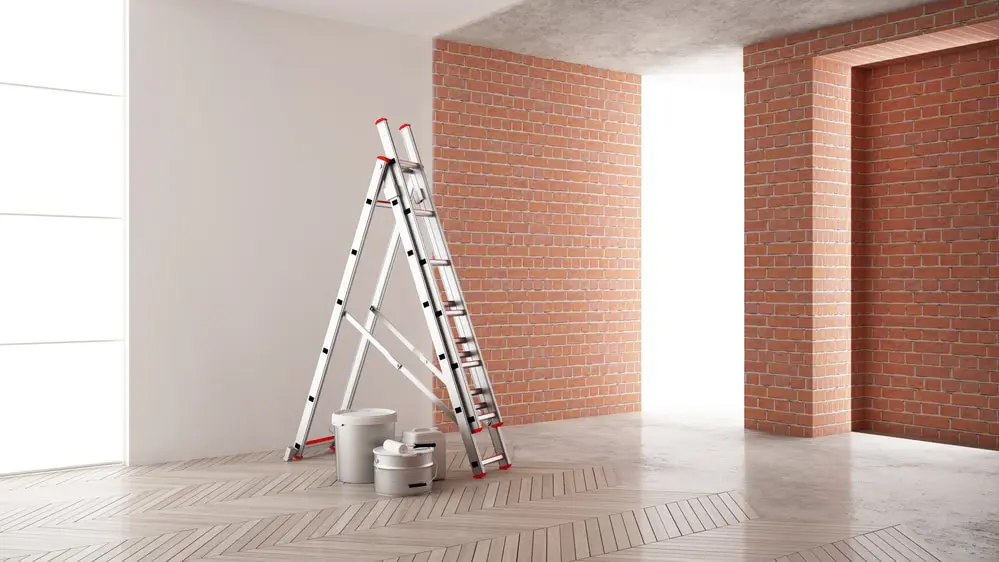
Transforming a space with paint can be both thrilling and daunting. But before you dive in, safety should top your list of priorities. In the next few paragraphs, we’ll guide you through understanding different paint types and their implications for your health and environment. You’ll learn how to prep your area like a pro, ensuring it’s safe and ready for that fresh coat of color.
We also touch on personal protective gear because keeping those fumes at bay is crucial. Plus, we delve into why good airflow matters more than you might think during this whole process.
Last but not least, we tackle storing leftovers correctly and making sure cleanup doesn’t harm our planet. So let’s make sure your painting project is as safe as it is transformative!
Table Of Contents:
- Understanding Paint Types and Their Safety Implications
- Preparing Your Space for Painting
- Personal Protective Equipment (PPE) for Painting
- The Significance of Proper Ventilation
- Safe Storage and Disposal of Paints and Supplies
- Recognizing and Mitigating Health Risks from Paint Fumes
- Best Practices for a Safe Painting Experience
- FAQs in Relation to Safety Considerations While Painting Your Space
Understanding Paint Types and Their Safety Implications
When you think about painting your space, it’s not just about picking a color that sparks joy. The type of paint you choose plays a crucial role in the safety and well-being of everyone who shares that space. Let’s break down the different types of paints water-based, oil-based, and latex paints to see what makes them tick.
Water-Based Paints: A Breath of Fresh Air
If painting were an Olympic sport, water-based paints would be taking home gold for indoor use. They’re low on fumes, making them a go-to choice for bedrooms and living rooms alike. But don’t let their mild manners fool you; they’re tough against fading and easy to clean up with just soap and water.
Their secret? Water-based paints contain fewer volatile organic compounds (VOCs), which are notorious for causing headaches among other health issues when inhaled over time. If reducing your carbon footprint is high on your list, this EPA guide on VOCs might make for interesting reading.
Oil-Based Paints: Durability Meets Challenge
In contrast, oil-based paints are like the sturdy work boots of the paint world—durable but not lightweight. They’re champions at resisting wear and tear, making them ideal choices for trims or any surface that demands resilience against moisture.
The catch? They come packed with higher levels of VOCs compared to their waterborne counterparts. Consumer Reports buying guide suggests using these sparingly indoors due to their strong odors and longer drying times.
Latex Paints: The Versatile Performer
Last but certainly not least are latex paints—which confusingly enough can be either water or oil-based. These all-rounders boast impressive durability while maintaining flexibility; no cracking under pressure here.
Beyond their versatility, This Old House highlights their resistance to UV light as another winning feature. Perfect if sun-soaked rooms are part of your grand design plans.
Making sense of paint types isn’t rocket science—but it sure does impact how safely we live within our painted walls.
Preparing Your Space for Painting
Before you dip that brush in paint, getting your space ready is like prepping for a marathon. It’s all about creating the right conditions so everything goes smoothly and safely.
Ventilation Is Key
You might not be running laps, but good airflow is crucial to avoid turning your room into a fume sauna. Open windows and doors or use fans to keep the air moving. This simple step can make breathing easier and help paint dry faster too.
If it’s cold outside, you might worry about letting in a chill. Here’s where creativity kicks in: balance between keeping warm and ensuring fresh air by partially opening windows or using exhaust fans strategically placed around your workspace.
Furniture Removal or Cover-Up
Moving furniture out of the way seems obvious until you’re playing Tetris with couches and tables. If removing everything isn’t an option, cluster items in the center of the room and throw covers over them. Trust me; nothing says regret like finding a new paint color on your favorite sofa.
This also gives you the freedom to move around without tripping hazards lurking under drop cloths waiting to sabotage your efforts.
Clean Surfaces Matter
Dust bunnies aren’t just unsightly; they’re enemies of smooth finishes everywhere. A quick wipe-down with mild detergent can prevent tiny lumps from ruining what should have been an impeccable wall face-off victory dance moment later on.
Remember those hard-to-reach places? They love collecting dust too but often get overlooked because who wants to climb up there anyway? Now’s the time—grab that ladder (safely.) and show no mercy towards grime hiding above eye level.
Personal Protective Equipment (PPE) for Painting
When you’re gearing up to transform a space with paint, think of yourself as an artist who needs the right tools. But here, we’re not just talking brushes and rollers. We mean the gear that keeps you safe: Personal Protective Equipment (PPE). It’s your first line of defense against the messier sides of the painting.
Respirators: Breathing Easy While You Work
A good respirator is like having a superpower against fumes. Especially when dealing with oil-based paints or solvents, which can pack quite the punch to your lungs and brain. Look for something robust like a half-facepiece respirator that fits snugly over your nose and mouth. The National Institute for Occupational Safety and Health (NIOSH) has great resources on selecting one that won’t let those villainous vapors get to you.
If water-based paints are more your speed, don’t let down your guard completely; they can still emit harmful substances into the air long after drying. A simple dust mask might suffice for these lighter tasks but check product labels closely because it’s always better safe than sorry.
Gloves: Your Hands’ Best Friends
Your hands will thank you for investing in some durable gloves—not only do they keep chemicals off your skin during application but also prevent splinters or cuts when handling equipment or preparing surfaces. Nitrile gloves offer excellent protection without sacrificing dexterity, so you can tape edges with precision while keeping hazardous materials at bay.
Goggles: Protecting Those Peepers
Eyes are windows to the soul; no need to expose them unnecessarily to risks. Whether it’s accidental splashes or fine particulates floating around as you sand surfaces pre-painting, goggles provide crucial barrier protection. Opt for models offering side shields too—paint finds its way everywhere.
Protective Clothing: Suit Up Against Spills
Last but not least is protective clothing—a must-have if turning yourself into a human canvas doesn’t sound appealing. Long sleeves and pants made from thick fabric defend well against spills and drips whereas coveralls take things up another notch by shielding most of your body effortlessly. OSHA’s guidelines on PPE suggest choosing items based on specific job hazards so consider what challenges lie ahead before suiting up.
The Significance of Proper Ventilation
Imagine painting your room with the windows shut tight. Soon, you’re feeling lightheaded and wondering if the paint color was worth it. This is why ventilation isn’t just important; it’s essential.
Understanding Paint Types and Their Safety Implications
Different paints release different levels of Volatile Organic Compounds (VOCs). For instance, oil-based paints pack a heavier VOC punch than their water-based counterparts. Knowing which type you’re using can help you prepare for the necessary ventilation measures to keep those unwanted fumes at bay.
To dive deeper into how these chemicals affect your health, visiting resources like the EPA’s guide on VOCs can give you comprehensive insights.
Preparing Your Space for Painting
Cranking open a window might seem like an obvious move but ensuring cross-ventilation will effectively usher out the toxic air much faster. Use fans strategically placed at doors or windows to push out stale air and pull in fresh one. Remember, it’s not about creating a wind tunnel; think more along the lines of gentle breezes guiding pollutants outside.
Personal Protective Equipment (PPE) for Painting
Besides keeping your space well-aired, donning PPE such as respirators or masks designed specifically to filter out harmful particles is crucial when dealing with high-VOC paints or prolonged exposure periods. And let’s not forget gloves and goggles—they’re like the trusty sidekicks in our battle against chemical foes lurking within paint cans.
Safe Storage and Disposal of Paints and Supplies
A clean-up process that respects environmental safety protocols plays an integral role post-painting spree. Ensuring leftover paints are sealed properly prevents unnecessary exposure while awaiting proper disposal routes helps maintain indoor air quality long after brushes have been put down.
For guidelines on eco-friendly disposal practices check EPA regulations regarding hazardous waste generators.
Safe Storage and Disposal of Paints and Supplies
When the last stroke dries, you’re left with a beautifully painted space and probably some leftover paint. Knowing how to store this surplus safely is crucial, not just for your next project but also for Mother Nature.
Understanding Paint Types and Their Safety Implications
Different paints need different care. Water-based paints are like that low-maintenance friend: easy to handle but still require proper storage away from extreme temperatures. Oil-based paints, however, are the high-maintenance ones that need careful handling due to their flammable nature.
To make sure you’re on the safe side, always check labels for specific storage instructions. And remember: good ventilation in your storage area can prevent unwanted surprises.
Preparing Your Space for Painting
Cleanliness is key before opening that paint can. A clutter-free environment doesn’t just help in achieving those crisp lines but also reduces hazards associated with spills or tripping over supplies.
Ventilation again comes into play here; it’s vital during the preparation stages too because nobody wants a headache from fumes even before painting starts.
The Significance of Proper Ventilation
We’ve said it once (okay maybe twice), but we’ll say it again – ventilation matters. During painting projects, keeping windows open or fans running helps clear out toxic fumes faster than waiting for them to decide they’ve overstayed their welcome.
Safe Storage and Disposal of Paints and Supplies
Say goodbye responsibly when disposing of old paint or cleaning up brushes used with oil-based products by consulting local waste management services here. They know best how to do so without harming our planet.
Recognizing and Mitigating Health Risks from Paint Fumes
Inhalation risks are real – headaches, dizziness… No, thank you. Using masks designed specifically for paint projects can be a game-changer in keeping those nasty symptoms at bay while preserving brain cells at the same time.
Best Practices for a Safe Painting Experience
Last tip? Timing matters as much as technique does—painting during mild weather conditions minimizes VOC emissions since higher temps speed up chemical reactions causing more vapors to release into your breathing air.
Recognizing and Mitigating Health Risks from Paint Fumes
Painting your space can transform it from blah to brilliant, but those vibrant colors come with a hidden risk: paint fumes. Understanding these risks is the first step toward safeguarding your health.
Understanding Paint Types and Their Safety Implications
Different paints emit different levels of volatile organic compounds (VOCs), which are the main culprits behind those pesky fumes. Water-based paints are generally lower in VOCs compared to their oil-based counterparts, making them a safer choice for indoor environments. However, don’t be fooled by “low-VOC” labels—these products can still release harmful chemicals into the air. For more detailed comparisons of paint types and their environmental impact, visiting websites like the Environmental Protection Agency might give you further insights.
Selecting the right type of paint not only contributes to better air quality during your project but also affects long-term exposure risks.
Preparing Your Space for Painting
Adequate preparation goes beyond just laying down drop cloths—it’s about ensuring a safe breathing environment too. Start by removing as much furniture as possible and covering what remains with protective sheets. But here’s where it gets crucial: ventilation. Open all windows wide, use fans strategically placed opposite each other for optimal airflow, and consider an air purifier if you’re dealing with particularly high VOC paints or small spaces without great ventilation options.
Clean surfaces thoroughly before painting; dust particles mixed with paint vapors could worsen indoor air quality even more.
The Significance of Proper Ventilation
We’ve touched on this already but let’s dive deeper because good ventilation is key during any painting job—big or small. Effective airflow helps disperse toxic fumes faster while introducing fresh air into your workspace, significantly reducing inhalation risks associated with prolonged exposure to VOCs.
For outdoor projects or large indoor areas that require extensive work periods,
OSHA guidelines suggest taking regular breaks in well-ventilated zones away from direct exposure to help mitigate potential health impacts.
Remember: no matter how pressing deadlines seem,
your health comes first.
Best Practices for a Safe Painting Experience
When you’re ready to give your space a fresh coat of paint, safety should be at the top of your list. With a few best practices in mind, you can ensure that your painting project is not only successful but also safe.
Choosing the Right Time of Year for Painting
The time of year can significantly impact the safety and effectiveness of your painting project. Optimal conditions include low humidity and moderate temperatures. These conditions help paint dry evenly and reduce exposure to fumes by allowing windows to be open for ventilation.
A study by the Environmental Protection Agency (EPA) suggests that outdoor air quality improves with less humidity, which underscores why choosing the right season matters not just for drying times but also health reasons when ventilating indoor spaces.
Using Low-VOC Paints
Volatile Organic Compounds (VOCs) are chemicals found in many paints that can cause health issues like headaches or dizziness. Fortunately, there’s been a push towards using low-VOC paints which minimize these risks while still providing quality coverage and durability.
Incorporating low-VOC products into your project doesn’t just benefit personal health; it’s also better for the environment. The use of such paints contributes less to ozone formation—a win-win scenario according to environmental advocacy groups like Sierra Club.
Maintaining a Clean Workspace
A clutter-free workspace is crucial during any painting project. It prevents accidents and ensures everything you need is within reach without unnecessary hazards lying around.
Cleaning up as you go helps avoid spills from becoming slip hazards or attracting pests—both common issues in messy work areas.
Beyond immediate cleanup, properly storing tools and materials after each day’s work keeps them in good condition and out of the way until needed again—an organizational tip championed by professional painters everywhere.
FAQs in Relation to Safety Considerations While Painting Your Space
What are the safety precautions of painting?
Wear PPE, ensure good airflow, keep flammables away, and store paint properly. Quick action on spills matters too.
What are the safety standards for painting?
Safety standards demand using low-VOC paints when possible and following local disposal laws for leftovers and tools.
What are painter safety hazards?
Fumes can mess with your health. Slips from spills or trips over gear pose physical risks. Fire’s a threat with solvents.
What are the hazards of painting in a confined space?
Tight spots up fume concentration and lower oxygen levels. This increases explosion risk and makes breathing tough without right venting.
Painting your space brings life and color. But remember, safety first. We’ve walked through choosing paints wisely, prepping areas safely, and donning the right gear.
Ventilation isn’t just a good idea; it’s a must. Keep those windows open to chase away harmful fumes. And when you’re done? Dispose of or store leftovers properly.
Safety considerations while painting your space are key to a successful transformation without risking health or the environment.
So start smart. Choose the right paint, prep meticulously, protect yourself, ventilate thoroughly, and clean up responsibly.
Your project isn’t just about adding beauty—it’s about doing it safely for you and our planet too.